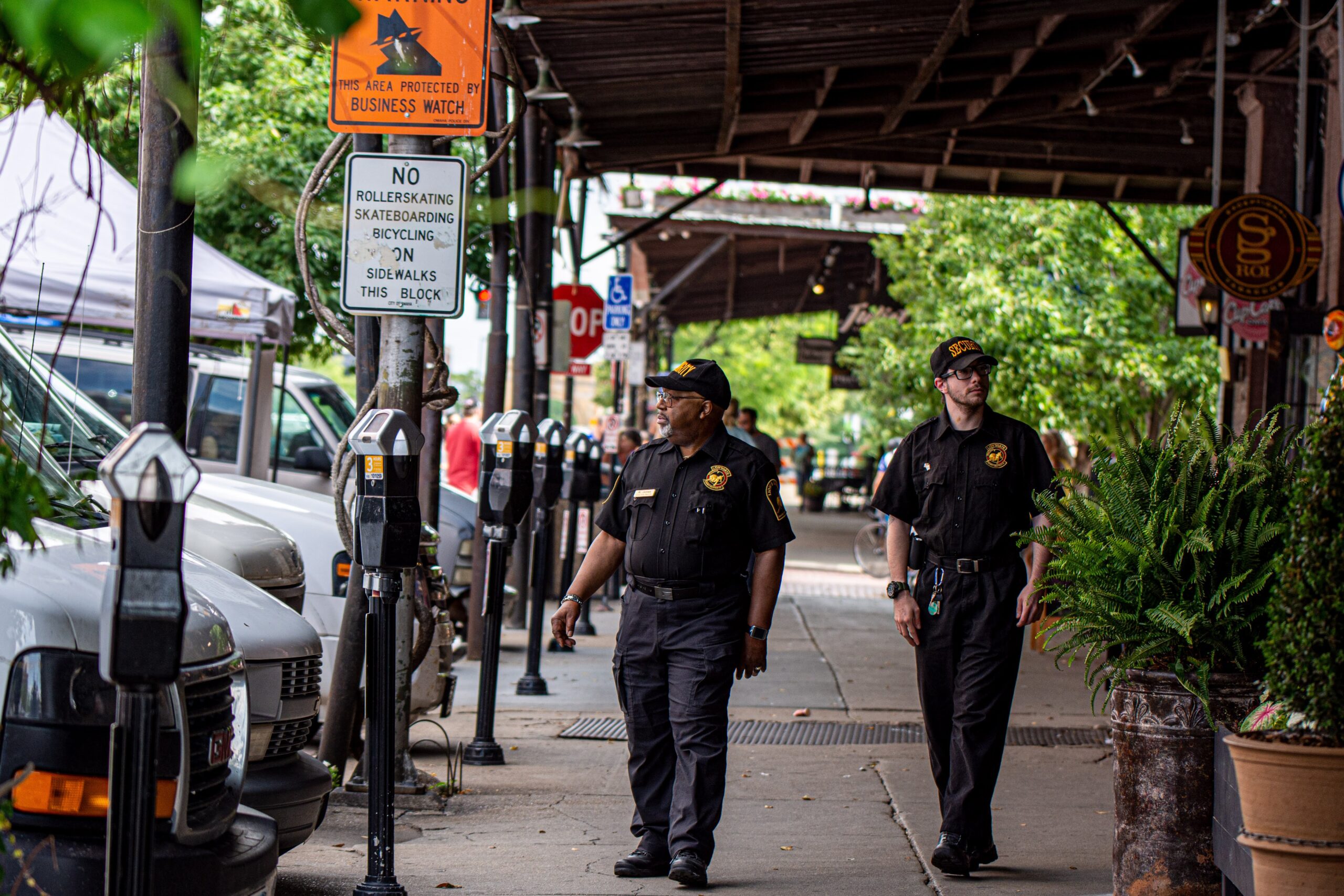

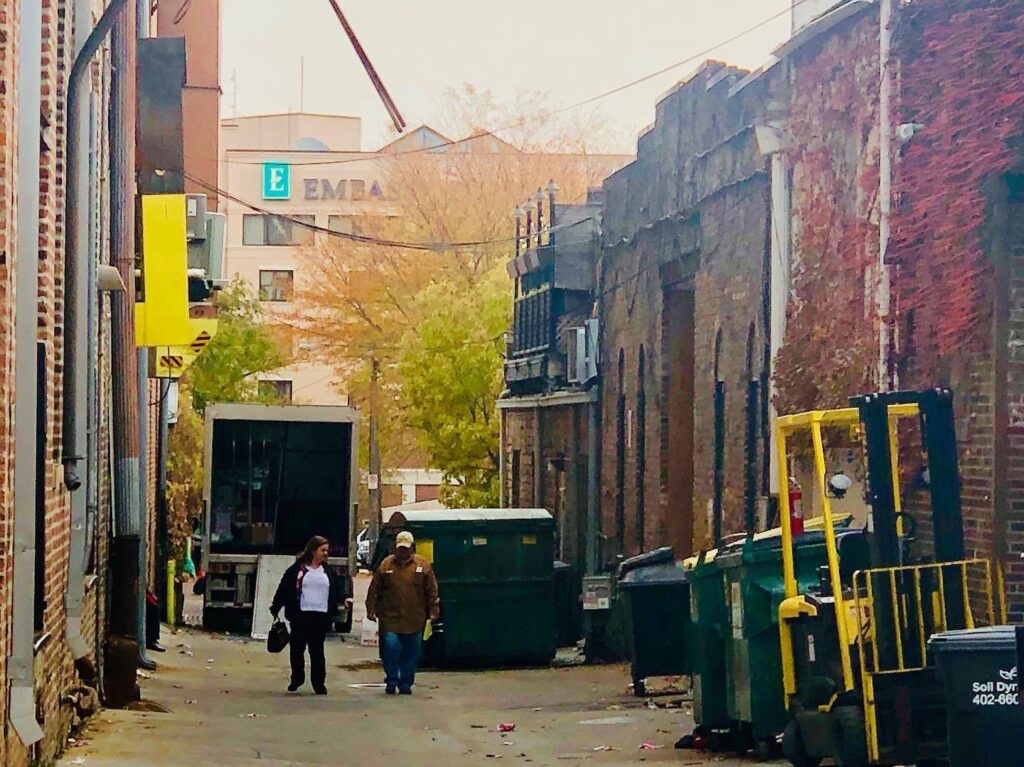
Downtown alleys are more than just back entrances—they’re essential corridors for services, safety, and everyday life. While they are part of the public right-of-way, the responsibility for upkeep falls to property owners.
What is the alley right-of-way
Downtown alleys are part of the public right-of-way, but day-to-day care often depends on the adjacent property owners and users. A simple way to think about it is this. If the issue is happening behind your building, it impacts your operations, your neighbors, and the people who use the alley for services. Many cities describe the alley right-of-way as the area outside a rear property line that should be kept clear of weeds, debris, and overgrowth.
Winter readiness
Snow and ice in alleys can stop trash pickup and limit access for deliveries and emergency response. Clearing your alley area quickly helps keep services running.
A key reminder for winter. City notices and code guidance emphasize that snow should not be pushed into public right-of-way travel areas, and it is unlawful to place snow or ice into a street or alley right-of-way from private property.
If you hire a contractor, ask them to keep the travel path open and avoid piling snow where it blocks dumpsters, loading areas, doors, or drains.
Quick alley maintenance checklist
These small habits make a big difference for Downtown operations and appearance.
- Keep a clear drive path for trash pickup and deliveries.
- Sweep and remove litter before it gets tracked or blown down the block.
- Trim vegetation back from the alley edge and overhead areas.
- Address potholes and broken pavement early, before water and freeze-thaw cycles make it worse.
- Keep storage, pallets, and equipment out of the traveled right-of-way.
ODIDA occasionally assists by power-washing hotspots in alleys. If your property needs attention, contact our office to request service.
Dumpsters and waste areas
Overflow and loose trash attract pests and create odor, mess, and repeat cleanup costs. A few basic practices help.
Use dumpsters with tight-fitting lids and keep lids closed. Do not let trash overflow onto the ground. Choose a dumpster size that matches your volume so it does not spill out during busy weeks.
If you are experiencing ongoing problems, ODIDA supports conversations around dumpster consolidation. Shared solutions can reduce clutter, improve alley access, and make the alley feel more cared for.
Illegal dumping and “extra bags”
Illegal dumping and recycling theft can quickly turn a clean alley into a hot spot. If you see dumping or theft in progress, document what you can safely. Note the location, date, time, and vehicle description. Wasteline provides a reporting tool for illegal dumping and recycling theft.
You can also report illegal dumping sites and nuisance issues through the Mayor’s Hotline.
When to report problems and who to call
Reporting works best when the report includes the exact address or nearest intersection and a clear description of the issue.
For many Downtown concerns like nuisance vehicles, illegal dumping sites, and graffiti, the Mayor’s Hotline is a strong first step.
For snow operations and winter restrictions, City of Omaha Public Works posts current guidance and rules.
Why It Matters
A maintained alley isn’t just about appearances—it’s about community pride, safety, and smooth operations. Clean, accessible alleys support:
- A more attractive Downtown environment
- Reliable trash pickup and deliveries
- Lower maintenance costs over time
ODIDA’s role
ODIDA is not an enforcement agency, but we advocate for cleaner, safer alleys and better coordination across Downtown. We occasionally assist with power-washing alley hot spots, and we can help connect property owners to shared solutions that reduce clutter and improve alley function.
If you have an alley challenge, email info@omahadowntown.org with the address and a short description of what you are seeing.